Simulators and Role Play for Real-World Training
The 3rd Special Operations Brigade is a Fallout-themed, family-friendly airsoft/milsim club that teaches real-world, first aid, radio and outdoor skills from a small fort in the Mojave Desert.
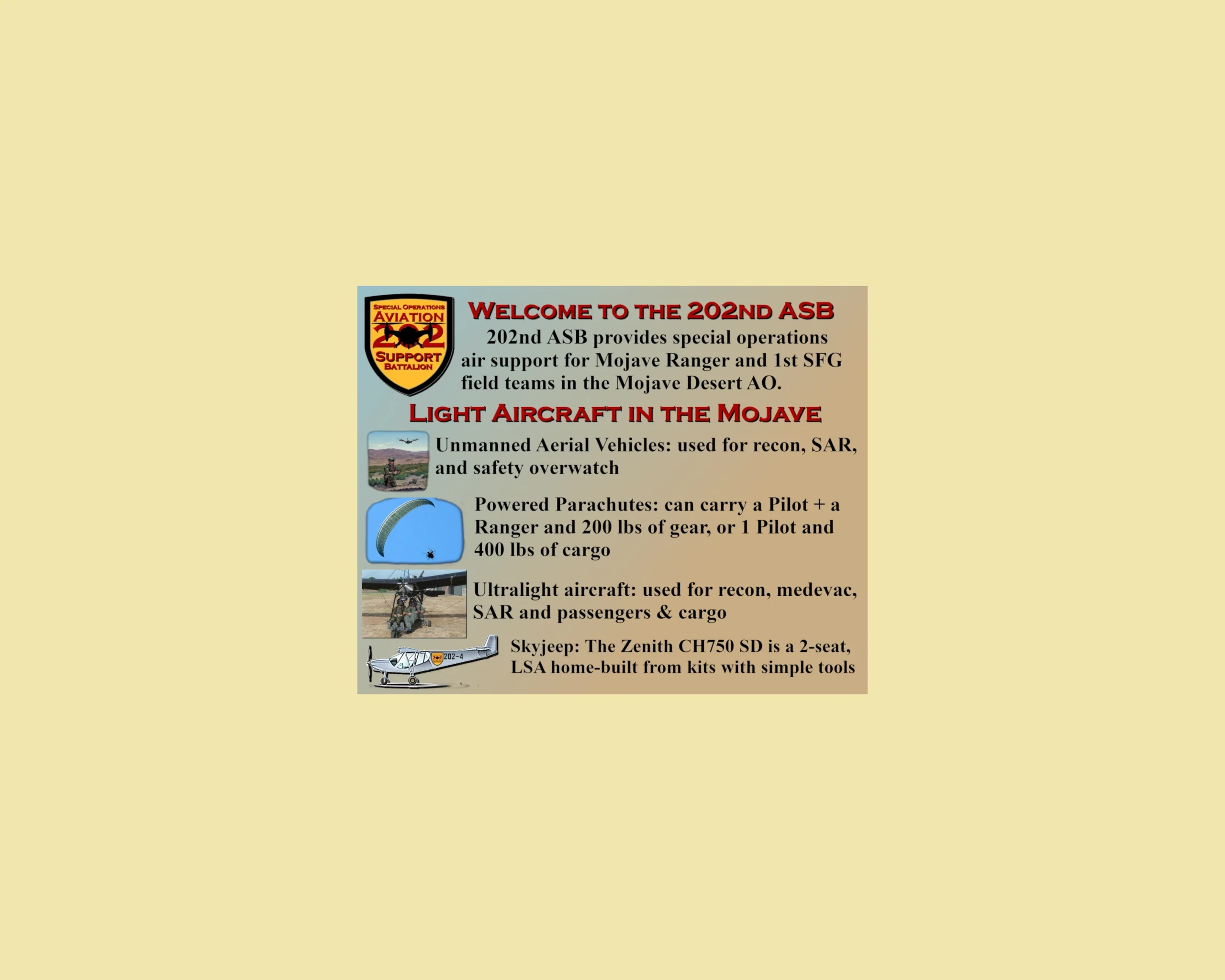
The 202nd Aviation Support Bn provides real-world special operations air support for the Rangers and 1st SFG during weekend-long live-action milsim events using drones, powered parachutes, ultralights and Light Sport Aircraft. 2AW runs drone safety overwatch, recon and SAR missions during Mojave Ranger School trainings and drills.
The 202nd Aviation Support Bn provides donation-based ground school and drone training with ultra-light operations and training coming soon. 202nd courses are designed to fit the needs of Mojave Rangers and MIKE Force and will contain more information and topics than necessary for the standard FAA certifications.
Free Flight Simulator Training
Simulator pilots run Search & Rescue, medical evacuation, recon and passenger and cargo missions between Ranger bases in the Mojave in very small aircraft. The 202nd specializes in ultralight and small 2-seater aircraft for Ranger transport, medical flights, recon and resupply flights.
The 202nd uses On Air Company for the flight simulator interface. On Air Company is a subscription-based service that allows Mojave Ranger School to develop an in-game economy and bases to simulate Fort Edwards and the Ranger patrol bases.
Post-Apocalyptic Micro-Aviation
 The primary difference between the tech in the Fallout world and the ‘real-world’ is the absence of microchips in Fallout. Fallout TVs and other tech use vacuum tube technology from the 50’s, 60’s and 70’s.
Aircraft flew all over the world for 50 years before the microchip was invented and there are a number of pre-war Vertibirds in service in the Fallout world, as well as airships. There’s a huge variety of real-world light aircraft that could be used in the Fallout world.
The problem isn’t aircraft or pilots, it’s maintenance crews, fuel and the support functions required for real aviation as the modern world knows it, and the fact that none of this tech can survive 200 years in a usable condition without maintenance. What can survive is the information on how to build and manage light aviation operations using tech available in the Fallout world.
The 202nd focuses on UAV, powered parachuted and ultra-light aircraft, all of which can operate in the post-apocalyptic world. The 2nd Air Wing will begin trainings in summer, 2026.
 Light Aircraft Maintenance
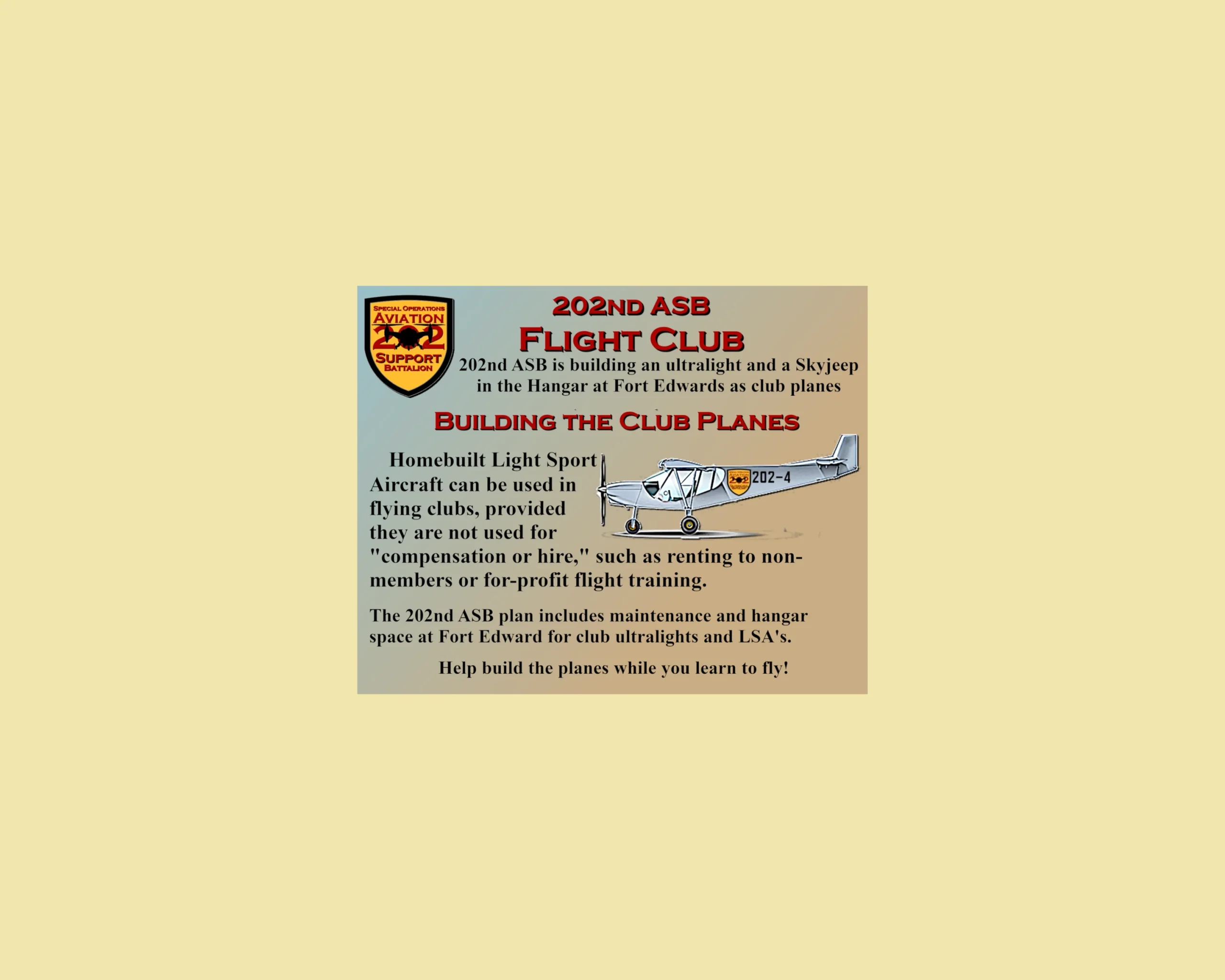
Rainbow Aviation has a 15-day Light Sport Repairman Course which certifies LSA mechanics who can perform 100-hour inspections and do in-house maintenance on the 2 AW aircraft. If we gather enough local students then it’s possible to run the course at Fort Edwards – https://rainbowaviation.com/15-day-light-sport-repairman-maintenance-course/
Small Aviation Training
Ground School
Ground School covers the basics about aviation; how aircraft fly, navigation, airport procedures, etc. A child can manipulate the controls to make a drone fly, but it takes some real-world training to properly use any type of aircraft.
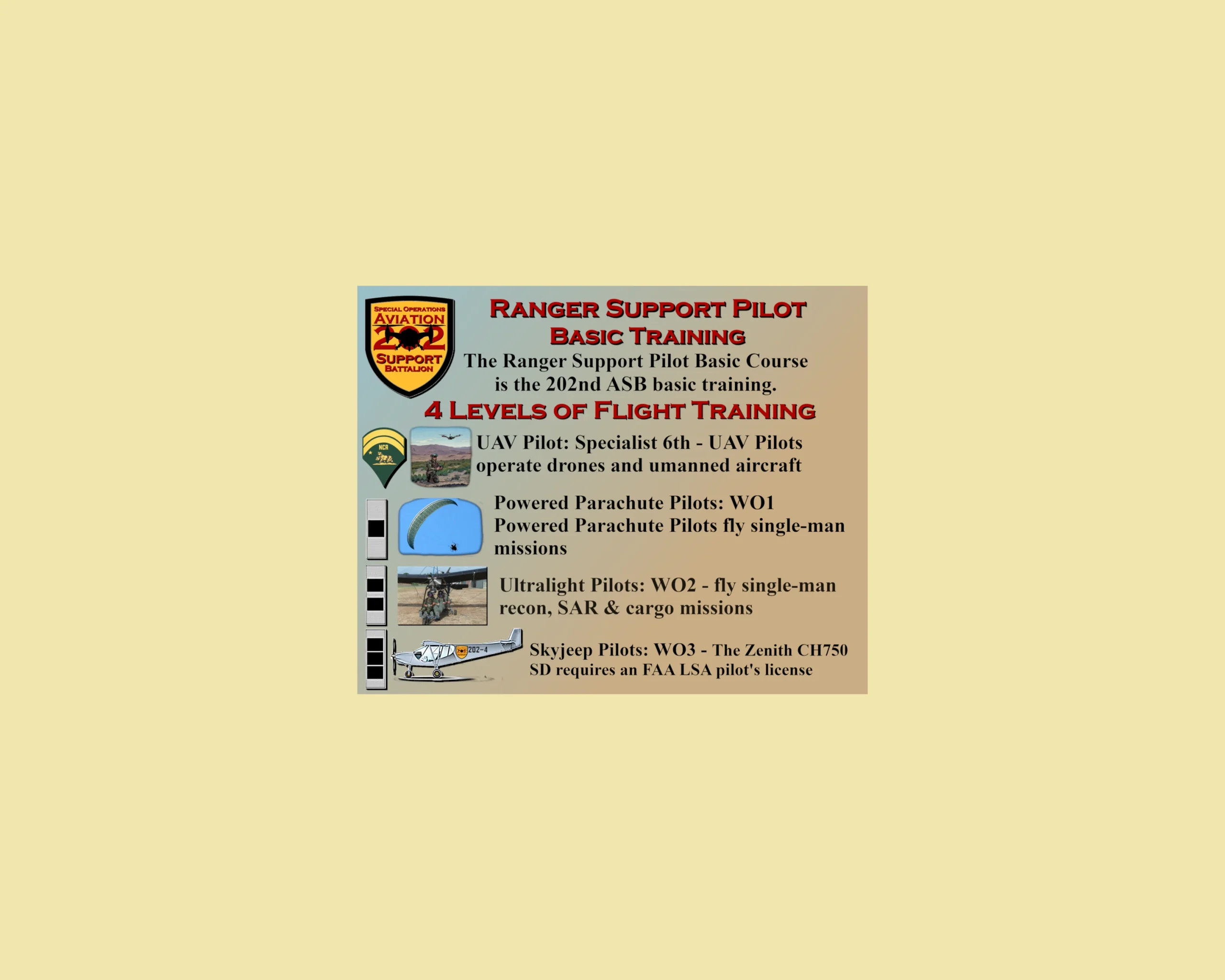
 The 202nd Ground School Course is the same training for all levels of flight at 2nd Air Wing. The UAV license needs about 80% of the LSA Ground School.
UAV Training: The 202nd FAA Part 107 Course is a donation-based, online course with free offline training in the Fort Edwards operational area.
Powered Parachute: Powered parachutes allow Mojave Rangers to perform light aerial recon and supply operations. Heavy-duty powered parachutes can carry 2 Rangers and 200 lbs of gear or 1 pilot and 400 lbs of cargo.
Ultralight Aircraft: Pre-war ultralight aircraft didn’t require licenses and were small, foldable airframes with fabric covered wings that can take off and land from very small fields. Ultralight aircraft (technically LSA’s) can carry a pilot and passenger and serve for recon, SAR, cargo and medevac flights.
Light Sport Aircraft: Light Sport Aircraft (LSA) are a new category from the FAA (2002). 2nd Air Wing focuses on the 2-seat Zenith CH750 Super Duty, a pre-war kit plane that the average person could build in their garage in a couple hundred hours using common tools.

 Radio Training
Ham radio training is included in the courses because flight teams work in remote locations that are almost always out of range of the team FRS radios. Flight teams use 2m/70cm hand-held and mobile radios, as well as digital comms, to communicate with the fort and patrol base radio stations in the Mojave. Patrol base relay stations have longer range radios that can communicate with the fort.
Aircraft radio and ground-to-air communications are also covered.
UAV Flight Training
 202nd UAV flight training has 3 levels,
- UAV Technicians learn the basics of UAV operation, maintenance and team record-keeping while in Ground School. UAV Techs hold an FCC ham radio Technician License and operate 2m/70cm radios and team FRS radios to coordinate missions.
- The UAV Tech is a Specialist 4th position in the Mojave Rangers and Ranger-qualified techs operate with the Ranger Teams.
- The Observer/Co-Pilot works directly with the UAV Pilot, especially if the pilot is wearing a VR headset. The Observer’s job is to make sure the UAV is away from power lines or obstacles and not operating in an unsafe area or way.
- Co-Pilots take turns flying in shifts with the pilot, and then the pilot takes over the Observer role. Co-Pilots don’t have to be licensed as long as they’re under direct control of the UAV Pilot.
- UAV Pilots are responsible for the safe operation of the UAV and have an FAA Part 107 sUAS Airman’s certificate (drone license). AUV Pilots are required to be Ranger School graduates with at least 20 hours of UAV flight time.
See the 202nd ASB UAV Basic Course for more details.